
Table of Contents
This post contains affiliate links. If you click through and buy something, I may earn a small commission — at no extra cost to you. I only recommend tools I’ve actually used or thoroughly researched.
Items to sell that you already own are usually the fastest, cheapest way to make extra money online. No new inventory to buy, no product to build, no waiting around. Just stuff sitting in your house that somebody else genuinely wants.
I’ve been reselling on eBay for years, flipping things I no longer need, and my wife sells her old clothes online every so often too. It’s one of the simplest side hustles there is, and it’s also one people overthink the most. Most of the delay isn’t figuring out how to sell, it’s figuring out what’s actually worth selling and where to put it.
This post covers 15 categories of things you probably already own, some of the best items to sell online without buying anything new, where each one sells best, and roughly what you’ll actually keep after fees. No guesswork required.
Why Selling What You Already Own Is the Easiest Way to Start
If you’re looking for things to sell for extra cash without building a whole business first, this is it. Most side hustles ask you to build something: a product, an audience, a portfolio. Selling what you already own skips that step entirely. The inventory is already sitting in your closet, your garage, or a drawer you haven’t opened in a year.

There’s also no real financial risk. You’re not buying stock to resell and hoping it moves. Everything you list has already been paid for, so whatever it sells for is money you wouldn’t otherwise have had.
The only real skill involved is matching the right item to the right platform, and pricing it so it actually sells instead of sitting there for three months. That’s what the rest of this post covers.
15 Easiest Items to Sell That You Already Own
1. Clothes You Don’t Wear
Clothing is usually the first place to look, and it’s what my wife sells when she’s clearing out her wardrobe. Name brands and current styles move fastest, but even basics sell if they’re clean and in good shape.
Best platform: Poshmark, which is built around fashion and includes free prepaid shipping labels, though it takes 20% commission (or a flat $2.95 on anything under $15).
Also try: Facebook Marketplace for local sales with no fees, or a consignment store like Plato’s Closet if you’d rather get instant cash in person.

Clean, well-lit photos matter more than a long description. Be upfront about any stains or wear, buyers notice, and it’s a faster route to a bad review than an honest listing ever is.
2. Shoes
Sneakers, boots, and recognizable brands hold value surprisingly well, especially if they’re barely worn or still have the original box.
Best platform: Poshmark or eBay, both have strong buyer traffic for shoes specifically.
Also try: Facebook Marketplace for local, or a resale store for an instant cash offer if you’d rather skip listing entirely.
Photograph the soles too, not just the outside. Buyers want to see actual wear level before they commit, and showing it upfront heads off a return.
3. Old Phones and Tablets
A phone sitting in a drawer is worth more than most people assume, even a cracked one can be sold for parts.
Best platform: eBay, which has the deepest buyer pool for electronics and takes roughly 13% in fees.
Also try: Swappa, which charges no fee for phone sales, Decluttr, or Amazon Trade-In for a fast, no-listing option.

Factory reset and wipe the device before you list it, every time, no exceptions. Both Apple’s guide to erasing an iPhone and Android’s own settings menu walk you through it in a couple of minutes. Selling a phone that still has your data on it is a real risk, not just an inconvenience.
4. Books
Textbooks and collectible editions carry the most resale value, but even a shelf of paperbacks adds up if you sell in bulk or through the right site.
Best platform: eBay for anything collectible or rare.
Also try: BookScouter, which compares buyback offers from multiple sites in one search, or Decluttr for a quick bulk sale.
Look up the ISBN on BookScouter before you assume a book isn’t worth much. Some out-of-print textbooks sell for far more than you’d guess.
5. Kids’ Toys and Baby Gear
Strollers, car seats, and outgrown toys move quickly, particularly through local parent networks where buyers want it today, not shipped next week.
Best platform: Local Facebook parent or resale groups, fast, trusted, and free.
Also try: ThredUp Kids for shipped clothing, or Once Upon A Child for an instant in-person offer.
Mention if the item meets current safety standards directly in the listing. Parents check this before anything else, and it’s often the deciding factor.
6. Furniture
Furniture sells well, but almost always locally. Shipping a bookshelf rarely makes financial sense once you factor in packaging and freight.
Best platform: Facebook Marketplace, local pickup, zero fees.
Also try: Craigslist, or Chairish if it’s a vintage or designer piece worth shipping.

Measure it before you list it, and mention the dimensions clearly. “Will it fit in my apartment” is the first question every buyer has.
7. Small Kitchen Appliances
Air fryers, stand mixers, and unused wedding or holiday gifts are some of the most overlooked items sitting in kitchen cabinets. If it’s still in the box, it sells almost instantly.
Best platform: Facebook Marketplace for local pickup.
Also try: eBay if it’s a well-known brand worth shipping.
Plug it in and test it before you photograph it. “Works perfectly” in the listing means a lot more when you can back it up.
8. Video Games and Consoles
Old consoles and games you’ve finished still have real resale value, especially complete sets with the original case and manual.
Best platform: Facebook Marketplace for fast local sales.
Also try: eBay for collectible or complete sets, or GameStop’s trade-in program if you’d rather have store credit than cash.
Complete sets sell for noticeably more than loose discs. Dig around for the original case before you assume it’s not worth the effort.
9. Tools
Power tools and equipment you used for one project and never touched again are common sellers, particularly with local buyers who want to see it run before they hand over cash.
Best platform: Facebook Marketplace, local buyers who want it working today.
Also try: Craigslist, or eBay for specialty or vintage tools with a niche following.
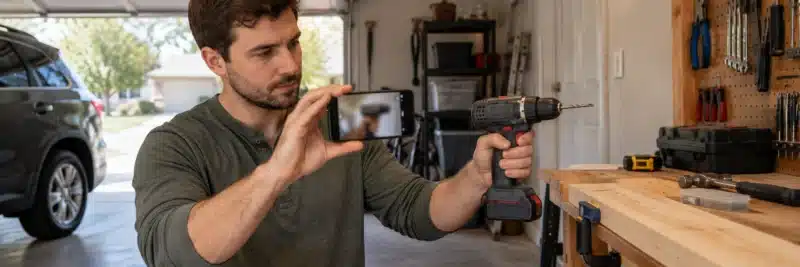
A short video of it actually running is worth more than three paragraphs of description. Buyers pay more when they can see it works.
10. Jewelry and Watches
Costume jewelry and fashion watches sell casually online. Anything with real gold, silver, or stones is a different situation entirely.
Best platform: eBay for broad reach on both costume and name-brand pieces.
Also try: A local jeweler or appraiser for anything fine, or Facebook Marketplace for casual pieces.
Get anything with real precious metal or stones appraised before you price it. This is the one category where guessing can genuinely cost you money.
11. Unused Gift Cards
A gift card for a store you never visit is dead money sitting in a drawer. Gift card exchange sites will buy it from you for a percentage of its value, instant, no listing required.
Best platform: A dedicated gift card exchange site like CardCash or Raise.
Also try: Selling directly to a friend or family member who actually shops there, you’ll usually get closer to full value that way.
Expect to get somewhere between 70 and 90% of the card’s balance through an exchange site. It’s not full value, but it’s more than a card sitting unused forever.
12. Bikes and Sporting Goods
Bikes, golf clubs, camping gear, and home gym equipment tend to sit unused far longer than people expect before they finally decide to sell.
Best platform: Facebook Marketplace, local pickup avoids the hassle of shipping anything bulky or awkwardly shaped.
Also try: eBay for niche or higher-end gear, or a local consignment sports shop.
Note the brand, size, and condition clearly. Serious buyers in this category tend to know exactly what they’re looking for.
13. Musical Instruments
An instrument from a hobby that didn’t stick, or one your kids outgrew, usually holds decent resale value, especially name-brand guitars, keyboards, and band instruments.
Best platform: Facebook Marketplace for local sales, buyers often want to test it before they pay.
Also try: eBay for shipped sales, particularly for smaller or well-packaged instruments.
Include the brand and model number in the title. It’s what serious buyers actually search for.
14. Collectibles and Trading Cards
Trading cards, comics, and old collectibles from a box in the attic sometimes turn out to be worth far more than anyone in the house remembers.
Best platform: eBay, which has the deepest buyer pool for niche and rare items by a wide margin.
Also try: Specialty Facebook groups built around your exact niche or collectible type.

Search “sold” listings for the same or similar item before you price anything. Asking prices are wishful thinking, sold prices are the real number.
15. Unopened Beauty and Skincare Products
Unopened makeup, skincare, or a gift set that isn’t your shade or scent has real resale value, particularly higher-end or discontinued products.
Best platform: Poshmark, which allows beauty listings alongside fashion and has a built-in audience for it.
Also try: Facebook Marketplace for local, or a dedicated site like Glambot for higher-end makeup specifically.
Only sell items that are sealed and unused. Opened beauty products are a much harder, and in some cases restricted, sell on most platforms.
How to Price What You’re Selling in About 60 Seconds
Pricing is where most first-time sellers freeze up. Here’s the shortcut: search for your exact item on the platform you’re using, filter by “sold” listings only, not active ones, and price about 10 to 15% below the average sold price for a similar item in similar condition.
That’s the whole formula, and it works the same way whether you’re figuring out how to sell stuff for money for the first time or you’ve done this for years. Active listings tell you what people are hoping to get. Sold listings tell you what people actually paid. Only one of those numbers matters when you’re pricing your own item.
It’s also worth remembering that fees come off the top before you see a cent. eBay takes roughly 13%, Poshmark takes 20% (or a flat $2.95 under $15), Mercari takes a flat 10%, and Facebook Marketplace takes nothing for local pickup or 5% on shipped items. Price with that in mind from the start rather than being surprised by it later.
Staying Safe When You Sell to Strangers
Most transactions go smoothly, but selling to people you’ve never met does carry some real, practical risk. A few habits go a long way.

- Meet in public. A coffee shop, shopping center, or your local police station’s parking lot works well. Some departments even offer a designated “safe exchange zone” specifically for this.
- Never accept a mobile payment from a stranger you can’t verify. If they insist on a specific payment method or seem to be rushing you, that’s a signal to walk away.
- Don’t deposit a check for more than the agreed price. If a buyer overpays and asks you to refund the difference, it’s almost always a scam.
- Bring someone with you for higher-value in-person sales if you can, and meet during daylight hours.
For a full rundown of common online selling scams and how to avoid them, the FTC’s guide to selling stuff online is worth a quick read before your first sale.
Items to Sell That You Already Own: Common Questions
What’s the easiest thing to sell for quick cash?
Clothing and shoes tend to be the fastest, most people have a closet full of things they no longer wear, and platforms like Poshmark and Facebook Marketplace make listing genuinely quick. Electronics also move fast because demand is constant and predictable.
What sells fastest secondhand?
Name-brand clothing and shoes, phones and tablets, and baby or kids’ gear tend to sell quickest, usually within a few days of listing if priced fairly. Anything niche or collectible can take longer, but often sells for more when it does.
Can I really sell something for $1,000?
It’s possible, but it depends entirely on what you own. High-end electronics, designer bags, fine jewelry, and rare collectibles can realistically reach that price. Most everyday household items won’t, and that’s completely normal, the goal is steady extra cash, not a single big win.
Where can I sell my stuff for free, with no commission?
Facebook Marketplace charges nothing for local, cash-in-hand sales. Craigslist and Nextdoor are also free to use. Once you ship an item or use a platform’s built-in payment system, some fee usually applies somewhere.
What’s the safest way to sell to a stranger?
Meet in a public place during daylight hours, ideally somewhere with cameras, like a shopping center or a police station’s designated exchange zone. Avoid accepting mobile payments from unverified buyers, and never invite a stranger to your home for a sale.
Start With the Nearest Drawer
You don’t need to sort your whole house before you start, and you don’t need a big plan to sell stuff for quick cash. Pick one drawer, one closet shelf, or one item you’ve been meaning to get rid of, match it to the right platform from the list above, and list it today.
I still do this myself when things pile up. It’s rarely life-changing money in one go, but it adds up fast, and it’s some of the easiest money you’ll ever make from stuff that was otherwise just sitting there.
If you’re looking for other ways to bring in extra money alongside this, my guide to easy ways to make money online covers plenty of other starting points.