Table of Contents

This post may contain affiliate links, meaning we may earn a small commission at no extra cost to you. We only recommend products we trust, and your support helps us continue creating helpful content.
Affiliate programs for bloggers are a fantastic way to turn your content into a source of passive income. Unlike traditional ad networks or sponsored posts that often demand a ton of traffic or constant deals, affiliate marketing allows you to earn money by recommending tools, services, or products that your audience already values. When you choose the right affiliate programs that fit your niche, you can achieve results that are both scalable and sustainable.
In this comprehensive guide, you’ll uncover seven reliable and high-converting affiliate programs designed just for bloggers. You’ll find out how each program operates, the application process, and tips for seamlessly weaving affiliate promotions into your blog content without compromising user trust. Whether you’re a newbie or aiming to boost your current affiliate earnings, this guide is here to help you make smarter, more profitable choices.
What Is an Affiliate Program?
An affiliate program is basically a marketing partnership where a company (the merchant) teams up with content creators or publishers (affiliates), like bloggers. The concept is pretty straightforward: as an affiliate, you promote a product or service using special tracked links. When someone from your audience clicks on your link and takes a specific action—usually making a purchase or signing up—you earn a commission.
What’s great about affiliate marketing is that it’s performance-based, meaning you only get paid when your promotion leads to a conversion. This makes it a really appealing revenue model for bloggers since it doesn’t involve managing inventory, handling customer service, or developing products.
How It Works (Step-by-Step)
- Join an Affiliate Program
Sign up through an affiliate network (like ShareASale or Impact) or directly with a company offering a standalone program. - Get Your Unique Affiliate Link
After approval, you receive custom tracking links or promo codes tied to your affiliate ID. - Publish Content with Links
Embed your affiliate links in blog posts, product reviews, tutorials, comparison guides, or even email newsletters. - Track Conversions and Earnings
The program tracks user activity through cookies and analytics tools, attributing conversions back to your referral. - Earn Commissions
When your audience completes the required action (purchase, lead, signup), you get paid based on the program’s terms.
Example
If you decide to write a blog post titled “How to Start a Blog in 2025” and suggest Bluehost as your hosting provider, feel free to include your affiliate link. When a reader clicks on that link and buys a hosting plan, you’ll earn a commission—typically ranging from $65 to $130 per sale, depending on the program.
Types of Affiliate Programs
Affiliate programs vary based on what kind of action they pay for:
- Pay-per-sale (PPS): You earn a percentage or flat rate for each sale (e.g., Amazon Associates, Bluehost).
- Pay-per-lead (PPL): You get paid for sign-ups, form submissions, or demo requests (e.g., email tools like ConvertKit).
- Recurring commissions: You earn ongoing revenue as long as the referral remains a customer (e.g., Systeme.io, AWeber).
- Two-tier programs: You can also earn a commission when someone you referred becomes an affiliate.
Benefits for Bloggers
- Low barrier to entry: Most programs are free to join and don’t require approvals for beginners.
- No customer support burden: The merchant handles the transaction and service.
- Scalable income: High-traffic or SEO-optimized posts can earn commissions indefinitely.
- Trust-based marketing: When done right, affiliate marketing builds audience trust rather than eroding it.
Important Terms to Know
- Cookie duration: How long a program tracks your referral after the user clicks. Ranges from 24 hours to 365 days or even lifetime.
- Conversion rate: Percentage of users who complete the intended action after clicking your link.
- Affiliate dashboard: A control panel where you can monitor clicks, conversions, payouts, and get marketing assets.
In short, affiliate programs are a cornerstone of blog monetization. By aligning your content strategy with relevant, trustworthy products and platforms, you can generate recurring income while providing additional value to your readers.
Types of Commissions
- Pay-per-sale: You earn a percentage of the total sale.
- Pay-per-lead: You earn for each user who signs up.
- Recurring commissions: You earn monthly (e.g., SaaS tools).
How to Choose the Right Affiliate Program
With countless affiliate programs out there in just about every industry you can think of, picking the right ones for your blog can really make a difference—turning a few passive dollars into a solid revenue stream. The trick is to find affiliate opportunities that fit well with your niche, content strategy, and what your readers are looking for, all while keeping an eye on the financial and technical details of each program.
This section will guide you through the specific criteria to think about when choosing affiliate programs that will resonate with your blog and audience.
1. Relevance to Your Blog’s Niche
It’s crucial to keep relevance at the forefront. If you promote a product that doesn’t fit with your content—no matter how tempting those high commissions might be—you risk losing your audience’s trust and seeing your conversions drop.
Take a moment to reflect:
- Does this product genuinely help my readers?
- Would I naturally bring up this tool or service in my writing?
- Have I personally used or tested this product?
For instance, if you have a personal finance blog, suggesting VPN services or luxury home decor probably won’t resonate. On the other hand, recommending high-yield savings accounts, budgeting tools, or finance courses will be much more effective and relevant to your audience.
2. Commission Structure
Affiliate programs typically pay:
- A percentage of the sale (e.g., 5%–50%)
- A flat fee per action (e.g., $25 per signup)
- Recurring monthly commissions (e.g., 30% every month the user remains active)
When comparing commission structures, evaluate:
- One-time vs. recurring: Recurring payouts (like those from ConvertKit or Systeme.io) may pay less upfront but offer long-term earning potential.
- Average order value (AOV): Higher-ticket products mean larger payouts, even at lower percentages.
- Conversion rates: A lower-paying but high-converting program may outperform a premium program with poor funnel performance.
3. Cookie Duration
Cookie duration refers to how long after a visitor clicks your affiliate link you’ll still be credited for the sale.
- Short durations: 24–48 hours (e.g., Amazon Associates)
- Medium durations: 30–60 days
- Long durations: 90–365 days or even lifetime (e.g., Systeme.io, AWeber)
Longer cookie windows give your readers more time to make a decision — increasing your chances of earning a commission even if the purchase isn’t immediate.
4. Conversion & Tracking Reliability
Even if a program offers generous payouts, it won’t matter if their tracking is inaccurate or their checkout process is clunky.
Look for programs that offer:
- Transparent affiliate dashboards
- Real-time reporting on clicks, conversions, and earnings
- Proven conversion funnels and mobile-friendly checkout pages
Tip: Programs hosted on reputable networks like Impact, ShareASale, and PartnerStack often provide better tracking and support than standalone programs.
5. Brand Trust & Market Reputation
Your audience’s trust is your most valuable asset. Only promote affiliate products from companies with:
- Strong reputations
- Solid customer service
- Positive user reviews
- Clear refund policies
Example:
Recommending a well-known service like Bluehost or ConvertKit is easier because the brand already has market recognition and social proof.
If you promote unknown or questionable brands, you risk damaging your own credibility — and potentially losing readers in the long run.
6. Affiliate Support & Resources
Quality affiliate programs provide:
- Banners, email templates, and landing pages
- Conversion-optimized affiliate funnels
- Dedicated affiliate managers
- Regular communication and campaign updates
These assets make your job easier and improve your earning potential. Some programs even offer seasonal promotions or higher commission tiers based on performance.
7. Minimum Payout Threshold & Payment Method
Review:
- How and when you get paid
- Minimum payout thresholds
- Accepted payment methods (PayPal, bank transfer, etc.)
For example:
- Amazon pays after reaching $10–$100 depending on your chosen method.
- Namecheap and Impact offer low payout thresholds via PayPal.
- Systeme.io pays monthly with no minimum once approved.
If a program only pays by check or wire transfer with a $100+ threshold, that may not be ideal for newer bloggers.
8. Ease of Joining
Some programs require:
- A minimum number of monthly visitors
- Manual approvals or vetting of your website
- NDA agreements or internal onboarding
If you’re just starting out, look for “no-approval” or beginner-friendly affiliate programs, like:
- Amazon Associates
- Systeme.io
- Impact Marketplace offers
This lets you start earning while you grow your content and traffic.
9. Alignment with Reader Intent
Not every product your audience could use is one they want right now. Think about where your readers are in their buyer journey:
- Top-of-funnel (TOFU): Informational content, low intent. Use affiliate programs for free tools or trials.
- Middle-of-funnel (MOFU): Comparison or solution-focused content. Great for tools with free plans or freemium models.
- Bottom-of-funnel (BOFU): Decision-making content. Here, high-ticket items or direct “Buy Now” CTAs convert well.
Key Affiliate Program Selection Criteria
| Factor | Why It Matters |
|---|---|
| Relevance | Builds trust and improves conversions |
| Commission type | Impacts short-term vs. long-term earnings |
| Cookie duration | Affects how long your referrals are tracked |
| Conversion reliability | Influences your actual payout chances |
| Brand trust | Preserves your audience loyalty |
| Resources & support | Makes promotions easier and more professional |
| Payout methods | Ensure you get paid efficiently |
| Approval process | Determines if you can start earning immediately |
| Reader intent | Helps match affiliate offers to content purpose |
Love This? Save it to Pinterest!
If you want to read this later, save one of these images to your Pinterest print on demand board. Don’t forget to check out my pinterest board Affiliate Marketing Programs & Strategies (2025) for more ideas, including the latest Affiliate Marketing Success Online: My 2026 Step-by-Step Guide to Passive Income and tips on The Best Affiliate Marketing Resources for 2026: Build Your High-Income Blog Tech Stack.


7 Best Affiliate Programs for Bloggers
Below is a curated list of the most effective and profitable affiliate programs tailored for bloggers. These platforms were selected based on their commission structures, ease of use, brand trust, and compatibility with various blogging niches.
Whether you’re focused on tech, lifestyle, finance, personal development, or blogging itself, these affiliate programs can fit seamlessly into your content strategy and help generate consistent income.
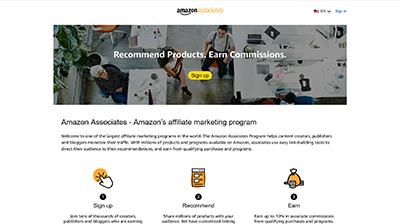
1. Amazon Associates
Best for: Bloggers who create product roundups, reviews, or how-to guides across any niche.
Amazon Associates is one of the most accessible affiliate programs on the market. Its vast product catalog allows you to recommend almost anything — from books and kitchen gadgets to electronics and fashion items — making it ideal for generalist and niche blogs alike.
Key Features:
- Commission: 1%–10% (varies by category)
- Cookie Duration: 24 hours
- Payout Method: Bank transfer, Amazon gift card, check
- Tools: SiteStripe for quick link creation, in-depth analytics dashboard
Why It Works for Bloggers:
- Huge selection = flexibility for all blog types
- High consumer trust and brand recognition
- Perfect for monetizing “best of,” “top picks,” and tutorial content
Example Use Case:
A parenting blogger might publish “10 Must-Have Baby Essentials” and embed affiliate links to each product sold on Amazon. Every click and sale — even of other unrelated items during the same session — can generate a commission.
2. Bluehost
Best for: Bloggers targeting audiences interested in starting blogs, websites, or online businesses.
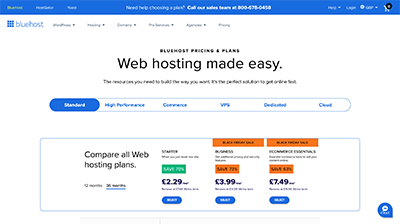
Bluehost is one of the most popular web hosting providers, especially for beginners using WordPress. It’s consistently recommended for its ease of use, free domain offers, and affordable pricing — all of which help drive high conversion rates.
Key Features:
- Commission: $65–$130 per successful referral
- Cookie Duration: 90 days
- Payout Method: PayPal
- Tools: Marketing banners, custom landing pages, performance tracking
Why It Works for Bloggers:
- Trusted by the WordPress community
- High payouts for each signup
- Beginner-friendly service with strong conversion rates
Example Use Case:
In a tutorial titled “How to Start a Blog in 2025,” a blogger can include screenshots and a walk-through of signing up for Bluehost. Readers looking to launch their blog are more likely to follow through with the recommended steps — generating high-converting traffic.
👉 Join Bluehost Affiliate Program
For readers looking to launch their own website, check out the How to Start a Blog (2025 Guide for Beginners) — ideal if you’re promoting Bluehost or Namecheap.
3. Kit ( formerly ConvertKit)
Best for: Creators, course sellers, and bloggers who write about email marketing or audience growth.
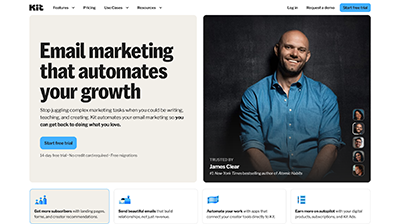
Kit ( formerly ConvertKit) is an email marketing platform built specifically for creators. With a user-friendly interface, automation tools, and high deliverability, it’s an ideal solution for bloggers promoting digital products, newsletters, or courses.
Key Features:
- Commission: 30% recurring monthly
- Cookie Duration: 60 days
- Payout Method: PayPal
- Tools: Landing pages, automation templates, opt-in forms
Why It Works for Bloggers:
- Easy to promote in content related to email list building or marketing
- Recurring commissions = long-term passive income
- High-quality product with great user retention
Example Use Case:
A blogging coach could publish a post titled “How to Build an Email List from Scratch,” embed Kit (formerly ConvertKit) tutorials, and recommend the platform via affiliate link — creating a seamless reader journey from education to conversion.
👉 Promote Kit ( formerly ConvertKit)
If you’re covering email marketing platforms like Kit ( formerly ConvertKit) or MailerLite, direct readers to the full comparison in Best Email Marketing Tools for Bloggers
4. Namecheap
Best for: Tech, startup, blogging, or side-hustle niches.
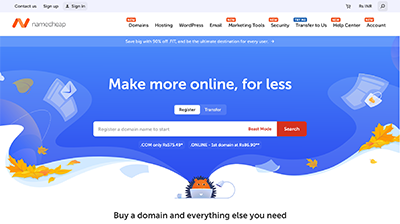
Namecheap is a well-known provider of affordable domain names, SSL certificates, and hosting. Its competitive pricing and strong support make it a popular choice for beginners and freelancers — and its affiliate program is structured for high performance.
Key Features:
- Commission: 20%–50% depending on product type
- Cookie Duration: 30 days
- Payout Method: PayPal, direct deposit, check, or wire
- Networks: Impact, CJ Affiliate, and others
Why It Works for Bloggers:
- Flexible payout methods and multiple affiliate platforms
- Easy to convert beginner-level readers starting their first blog or business
- Regular promotions and discount coupons improve sales
Example Use Case:
A tech blogger could write “How to Register Your First Domain,” recommend Namecheap as the registrar of choice, and drive commissions through that educational content.
👉 Join Namecheap Affiliate Program
5. Systeme.io
Best for: Bloggers in the digital marketing, online business, and course creator space.
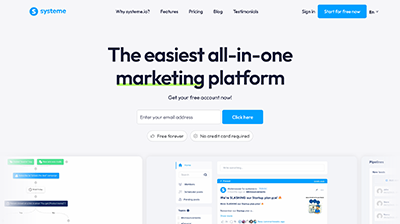
Systeme.io is an all-in-one online business platform offering features like email marketing, sales funnels, course hosting, and automation tools — all under one affordable plan. Its affiliate program is standout due to its lifetime recurring commissions.
Key Features:
- Commission: 40% lifetime recurring
- Cookie Duration: Lifetime
- Payout Method: PayPal
- Tools: Funnels, CRM, email automation, membership site hosting
Why It Works for Bloggers:
- Perfect for “best marketing tools” or “passive income” content
- Promotes multiple income streams: affiliate + platform sales
- Lifetime cookie ensures long-term earnings from one click
Example Use Case:
A digital entrepreneur writing a post titled “Top Tools to Launch Your Online Business” can include Systeme.io as a recommended all-in-one platform — and earn lifetime commissions from each user who signs up.
👉 Join Systeme.io Affiliate Program
6. Surfer SEO
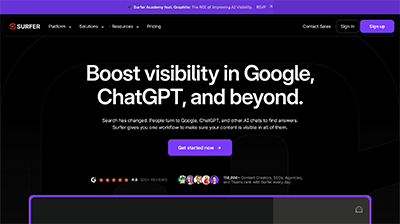
Surfer SEO is a powerful optimization tool that helps bloggers and content marketers write content that ranks. Its affiliate program offers a 25% recurring lifetime commission, making it an excellent passive income stream for those in the SEO or content creation niche.
The tool provides in-depth keyword suggestions, content audits, SERP analysis, and real-time on-page optimization. If your blog focuses on traffic growth, SEO strategy, or monetization — Surfer is a perfect match.
Key Features:
- Commission: 25% recurring lifetime commission
- Cookie Duration: 30 days
- Payout Method: PayPal
- Tools: Content Editor, SERP Analyzer, keyword research, affiliate dashboard
Why It Works for Bloggers:
- Strong fit for tutorials, income reports, and content marketing tips
- Taps into the evergreen niche of SEO and organic traffic growth
- Recurring commission structure makes it ideal for long-term passive income
- High perceived value — makes SEO feel actionable for non-techies
Example Use Case:
A blogging-focused site could publish “How I Optimized My Blog Posts to Rank #1 on Google,” showing how Surfer SEO helped increase their traffic. Include screenshots and walkthroughs of the Content Editor, along with the affiliate link to encourage readers to try it themselves.
👉 Become a Surfer SEO Affiliate
7. MailerLite
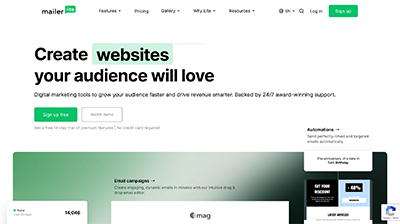
MailerLite is an excellent email marketing tool for bloggers and content creators who want simplicity without sacrificing power. Its affiliate program is not only beginner-friendly but also extremely rewarding.
You earn 30% recurring commission for every paid account signed up through your referral link. That means as long as your referral remains subscribed, you get paid — monthly.
What makes MailerLite ideal for bloggers is its intuitive drag-and-drop builder, automation workflows, landing pages, and newsletter tools. It’s trusted by creators who want professional results without a steep learning curve.
Key Features:
- Commission: 30% recurring monthly commission
- Cookie Duration: 30 days
- Payout Method: PayPal
- Tools: Affiliate dashboard, pre-made banners, landing pages, referral tracking
Why It Works for Bloggers:
- Great email deliverability without the complexity of advanced tools
- Specifically built for creators and bloggers — intuitive UI, no learning curve
- Offers powerful features even on the free plan (easy lead-ins to upgrades)
- Ideal for content around list building, lead magnets, and monetization
Example Use Case:
A lifestyle blogger can write a post like “The 5 Tools I Use to Run My Blog on Autopilot,” featuring MailerLite as their go-to for email marketing. They could walk through how they set up a welcome sequence or lead magnet using the free plan and encourage readers to upgrade via their affiliate link.
👉 Join the MailerLite Affiliate Program
Final Thoughts on Choosing a Program
The programs listed above were chosen for their dependability, commission structure, and seamless integration into high-quality blog content. By concentrating on a select few reliable and profitable affiliate programs that resonate with your audience’s interests, you can create a sustainable stream of passive income while genuinely providing value.
Next Step: Choose 2–3 programs from the list that fit your niche and incorporate them into your top-performing content. Keep an eye on the results, fine-tune their placement, and focus on what yields the best conversions.
How to Promote Affiliate Links Effectively
Step-by-Step Guide
- Choose 2–3 affiliate programs aligned with your niche.
- Create content that educates or solves a problem (e.g., “How to Start a Blog with Bluehost”).
- Embed affiliate links naturally within the content.
- Disclose affiliate relationships clearly.
- Track performance using tools like ThirstyAffiliates or Pretty Links.
Recommended Tools for Affiliate Bloggers
- ThirstyAffiliates: Link cloaking and performance tracking.
- Grammarly: Keep your content polished.
- RankMath: SEO plugin to optimize every post.
Frequently Asked Questions
Do I need a large audience to make money with affiliate marketing?
No, you don’t need a large audience — but you do need a targeted one. Many successful bloggers earn solid affiliate income with relatively low traffic, as long as their content addresses a clear search intent and their audience trusts their recommendations.
Focus on:
Solving specific problems through your content
Optimizing posts for SEO to attract qualified readers
Writing reviews, tutorials, or comparison guides with affiliate links embedded naturally
For example, a blog post targeting the keyword “best email tool for coaches” might only get 500 visits per month, but if 5% convert on a recurring commission product like ConvertKit, the revenue adds up fast.
Can I use affiliate links on social media or in emails?
Yes — but it depends on the platform and the program’s terms of service.
Here’s a breakdown:
Instagram, YouTube, and TikTok: Most allow affiliate links in your bio or description, but direct affiliate links in posts or stories may be limited. Use tools like Linktree or custom landing pages to organize links.
Pinterest: You can pin direct affiliate links, but disclosing the relationship is required.
Email newsletters: Many affiliate programs allow you to include links in emails, but check their terms. ConvertKit and AWeber, for instance, support affiliate-friendly email marketing.
Always follow FTC guidelines and include clear disclosures, like:
“This post contains affiliate links. I may earn a commission at no extra cost to you“
How do I know if an affiliate program is trustworthy?
To evaluate whether an affiliate program is legitimate and worth your time, ask the following:
Is it hosted on a reputable network? (e.g., Impact, ShareASale, CJ Affiliate)
Are there public reviews or testimonials from other affiliates?
Does the brand have a positive reputation among consumers?
Is the affiliate dashboard transparent with clear tracking and reporting?
Are commissions paid reliably and on time?
Avoid programs that:
Have confusing or restrictive terms
Hide their commission rates
Lack support or response from affiliate managers
Stick to well-established brands and platforms with clear onboarding processes and support documentation.
How do I increase conversions from affiliate links on my blog?
Improving affiliate conversions requires more than just adding links. Here’s how to optimize your strategy:
Write content with high purchase intent: Examples include “best tools for…”, “how to choose…”, “X vs Y comparisons”.
Use visuals: Screenshots, product images, and demo videos can increase trust and engagement.
Add strong CTAs: Clear call-to-action buttons like “Start Free Trial” or “Claim Your Discount” outperform plain text links.
Optimize page speed and mobile design: Slow or poorly formatted pages reduce trust and increase bounce rates.
Position links strategically: Place affiliate links above the fold, in conclusion sections, and under key benefit points.
Use affiliate link management tools (e.g., Pretty Links, ThirstyAffiliates) to track performance and identify which links are converting best.
What types of blog posts work best for affiliate marketing?
Certain content formats are especially effective for affiliate monetization:
Product Reviews: Honest, detailed reviews of products you’ve used convert very well.
Comparison Posts: Articles like “ConvertKit vs Mailchimp” help readers make purchase decisions.
Listicles & Roundups: Posts like “Top 10 Hosting Services for Bloggers” offer multiple affiliate opportunities.
Tutorials & How-Tos: Guides like “How to Start a Blog on WordPress” work well with hosting and tool affiliate links.
Resource Pages: Dedicated pages listing your favorite tools or recommended services.
Make sure each post targets a specific keyword, answers a clear question, and includes natural placements for affiliate links. Focus on long-tail, transactional-intent keywords — readers who land on those posts are already in decision mode.
Recommended Reading
- If you’re new to affiliate marketing, this guide covers all the basics and helps you get started step-by-step — read Grow Your Affiliate Marketing Income to Boost Financial Freedom.
- Discover the key strategies that helped me (and others) succeed online through affiliate marketing — check out Affiliate Marketing Success Online: Boost Your Income Now.
- Learn how to build scalable niche sites that rank, convert, and earn — a must-read if you’re ready to go beyond blogging with Building Niche Affiliate Sites: Start Your Journey to Passive Income Today in 2025.
- If you’re using Pinterest to drive traffic, this post shows how to incorporate affiliate links the right way — learn from Pinterest Affiliate Marketing: My Complete Guide to Earning in 2025.
- Access the best tools, platforms, and tips I use and recommend to simplify your affiliate workflow — explore Affiliate Marketing for Beginners: Must-Have Blogging Resources in 2025.
- Bloggers: Want to monetize with affiliate links the smart way? Start with Affiliate Marketing for Bloggers: A Beginner’s Guide to Earning Passive Income.
Trusted External Resources
Conclusion: How to Turn Affiliate Programs into Scalable Blog Income
Choosing the right affiliate programs is not just about maximizing commissions — it’s about building a long-term, sustainable monetization strategy that aligns with your content, your audience, and your values.
Affiliate marketing works best when it’s integrated seamlessly into content that educates, inspires, or solves a real problem. By recommending tools or services that you genuinely believe in — and that are relevant to your readers — you can build both trust and passive income at the same time.
To recap:
- Relevance is key: Always prioritize affiliate programs that serve your niche and your readers’ needs.
- Look beyond the payout: Consider cookie durations, conversion rates, recurring potential, and support tools.
- Be transparent and helpful: Your audience is more likely to click and buy when your recommendations are honest, detailed, and disclosed properly.
- Focus on evergreen content: High-quality tutorials, comparisons, and product roundups can generate income for years with little ongoing effort.
The programs listed in this guide — from Amazon Associates to ConvertKit and Systeme.io — offer a solid starting point for any blogger serious about affiliate revenue. Whether you’re writing for beginners looking to launch a blog or advanced users comparing SaaS platforms, there’s a program tailored to your audience’s journey.
Start by picking 2–3 programs that fit your current content.
Create value-driven posts around them.
Track performance, optimize placements, and scale from there.
With consistency and strategic content, affiliate marketing can transform your blog from a passion project into a profitable, income-generating business.