
Table of Contents

This post contains affiliate links. If you click through and buy something, I may earn a small commission — at no extra cost to you. I only recommend tools I’ve actually used or thoroughly researched.
Blog monetization strategies are what separate blogs that earn from blogs that don’t, and the gap usually isn’t the niche, the writing quality, or even the traffic. It’s whether the blogger has actually set up the right income streams in the right order.
I run thesidehustler.blog and have built multiple income streams through it. Some took months to kick in. Some started earning within weeks. Here’s an honest breakdown of every major blog monetization 2026 strategy: what each one is, how it works, and what you actually need before it’s worth pursuing.
One thing worth knowing before you dive into the list: the two strategies that matter most on day one aren’t really separate. Affiliate marketing earns you the money, but your email list is what makes those earnings compound. Start both together, not one after the other.
Haven’t started your blog yet? You need that first. Hostinger gets you live in under an hour, with plans from around $2.69/month on a longer plan and a free domain included. Then come back here.
The 6 Main Blog Monetization Strategies
1. Affiliate Marketing: The Best Starting Point for Most Bloggers

Affiliate marketing is where you recommend products or services, and earn a commission when someone buys through your unique link. You don’t create the product, handle customer service, or deal with fulfillment. You just recommend what you already use and earn when readers take action.
It’s the primary income stream on thesidehustler.blog, and it’s where I’d tell most new bloggers to start.
Why it works for beginners:
- No product to create
- No upfront inventory cost
- You can start with zero traffic and build toward it
- Commissions can be substantial: hosting affiliates, software tools, and online courses often pay 30–50%, and some higher-ticket affiliate marketing programs (courses, software with annual plans) pay recurring affiliate commissions for as long as the customer stays subscribed
What you actually need:
- Posts written around topics with genuine buyer intent (reviews, comparisons, “best of” roundups, tutorials)
- Affiliate relationships with products you use yourself and can recommend honestly
- An affiliate link management plugin. I use ThirstyAffiliates to manage all my links cleanly through a /go/ structure. It makes updating links sitewide simple and keeps everything organized.
The honest reality: affiliate marketing takes time. Your content needs to rank in Google or reach readers through Pinterest or email before the commissions come in. Most bloggers start seeing meaningful affiliate income at the 6–12 month mark. The blogs that stick it out almost always get there.
Recommended reading: Affiliate Marketing for Bloggers: How It Actually Works
2. Display Advertising: Passive Income Once You Have Traffic
Display ads are the banner and in-content ads that appear on blogs. Every time a reader loads your page, you earn a small amount based on the number of impressions or clicks.
The key word is passive. Once ads are set up, they earn without any additional work from you.
The catch: you need traffic before display ads are worth anything. Google AdSense accepts new sites with low traffic, but pays very low rates. The real money comes from premium ad networks, and the traffic bar to reach them has come down over the past year.
Premium networks and their traffic requirements:
- Mediavine: 50,000 sessions per month for their main “Official” tier. Their newer Journey program opens the door at just 1,000+ monthly sessions with a lower revenue share, worth knowing if you’re still building traffic.
- Raptive (formerly AdThrive): dropped its requirement from 100,000 to 25,000 monthly pageviews in late 2025. Sites under 100,000 pageviews need at least 50% of traffic from the US, UK, Canada, New Zealand, or Australia.
- SHE Media: around 20,000 pageviews, a solid option while you build toward Mediavine or Raptive.
For most brand-new bloggers, display ads still aren’t worth chasing in the first few months, but the gap has closed a lot. Focus on affiliate marketing first, then add display ads once you clear the threshold for a premium network, which is now within reach sooner than it used to be.
According to Mediavine, publishers on their network earn significantly higher RPMs than on Google AdSense, making traffic growth directly tied to meaningful ad income.
3. Digital Products: High Margins, Yours to Keep
Digital products for bloggers, ebooks, courses, templates, printables, workbooks, are products you create once and sell indefinitely. No inventory, no shipping, and profit margins are typically 80–90%.
The upside is significant. A well-positioned digital product can generate consistent income with minimal ongoing effort once it’s built.
The honest downside: creating a good digital product takes real time and effort upfront. And it needs to be useful, not a rushed PDF that doesn’t deliver on its promise.
Where to start:
- Identify the question your readers ask most often
- Create the resource that answers it thoroughly
- Sell it directly through your blog using a platform like Gumroad or Payhip, or through Etsy for printables and templates
What sells:
- Courses teaching a specific skill your audience wants
- Templates (social media, email, spreadsheet, design)
- Printables (planners, trackers, worksheets)
- Ebooks covering a topic in more depth than a blog post can
The email list is your most powerful sales channel for digital products, which is why building it from day one matters so much.
Recommended reading: How to Build a Blog Email List From Scratch
4. Email Marketing: The Income Stream That Compounds

Email isn’t technically a standalone monetization strategy. It’s the amplifier that makes every other strategy work better.
Your email list is the only audience you truly own. Google rankings change. Pinterest algorithms shift. Social platforms come and go. Your email subscribers stay with you through all of it.
With an email list, you can:
- Promote affiliate products directly to readers who already trust you
- Launch digital products to a warm audience
- Drive traffic to new posts on day one of publishing
- Build the kind of relationship that converts readers into buyers
Haven’t started collecting emails yet? Every day without an opt-in is a reader who found you once and never came back. MailerLite is free up to 250 subscribers and 2,500 emails a month, with automation included on the free plan, so you can capture that reader and follow up automatically without paying anything to start.
The tool I use is MailerLite. It’s where I’d start. When you outgrow it, Kit (formerly ConvertKit) is the natural next step up, it’s where I’m heading myself once I hit that point.
The sooner you start building your list, the more valuable it becomes. Even at 200 subscribers, an engaged email list outperforms a much larger cold social following.
Recommended reading: Email Marketing for Beginners
5. Sponsored Content: Good Money, but Requires an Established Audience
Sponsored posts are when a brand pays you to write content featuring their product or service. Done well, sponsored content integrates naturally into your blog and provides genuine value to your readers. Done badly, it reads like an ad and damages the trust you’ve built.
One important note: the FTC requires clear disclosure of any paid partnership. Always label sponsored posts clearly. It’s legally required and readers respect the honesty.
What it typically pays: anywhere from $100 for a small blog to several thousand dollars per post for established sites with large, engaged audiences.
What brands look for:
- An engaged audience in a relevant niche (follower numbers matter less than engagement rate)
- Content quality and writing style that matches their brand
- A media kit with your traffic stats, audience demographics, and rates
Sponsored content isn’t a day-one strategy. It typically comes into play once you have consistent traffic, an established email list, and a recognizable presence in your niche. But it’s worth knowing about early so you’re positioned for it when the time comes.

6. Services: Fast Income That Doesn’t Require Traffic
If you need to earn money from your blog while you’re still building traffic, offering services is the fastest path.
Your blog acts as a portfolio and lead generation tool. Readers land on your content, see that you know what you’re talking about, and hire you to do the thing you write about.
Common services bloggers offer:
- Freelance writing
- SEO consulting
- Social media management
- Virtual assistant work
- Coaching or consulting in their niche topic
Services are active income: you trade time for money, which is why most bloggers eventually move away from them toward more passive streams. But for early-stage income while your content builds, they work well.
Which Blog Monetization Strategy Should You Start With?
If you’ve already got a few of these in place, affiliate links live, an opt-in on your site, and you’re still not seeing much, that’s not a sign it’s broken. It’s usually a sign of timing, not setup. Revisit the 6–12 month window mentioned above before you assume something’s wrong. Most blogs that eventually earn well go through a stretch that looks exactly like nothing is happening.
If you’re brand new: focus on affiliate marketing first. Write posts with genuine buyer intent, reviews, comparisons, tutorials, and build affiliate relationships with products you actually use.
If you have 1,000+ monthly visitors: you may already qualify for Mediavine’s Journey program, a much better starting point than AdSense while you build toward the thresholds for their main network or Raptive.
If you have an engaged email list: launch a simple digital product, an ebook or a template, to that warm audience.
If you need income now: offer services while your content builds.
Most established bloggers use several of these strategies simultaneously: affiliate marketing and display ads running passively, an email list powering product launches and affiliate promotions, and occasionally sponsored content on top. But they almost all started with one, built it properly, then layered the others in.
What You Need in Place Before Any of This Works
Blog monetization strategies require one thing before any of them deliver meaningful results: a properly set-up blog on self-hosted WordPress.
Not a free platform. Not a hosted builder that limits your monetization options. A self-hosted WordPress blog on reliable hosting, one you control completely.
Start with Hostinger, with plans from around $2.69/month on a longer plan, a free domain included, and WordPress set up in minutes. Get that foundation right and everything else follows.
Recommended reading:
- How to Start a Blog in 2026 (Simple Step-by-Step Guide)
- Affiliate Programs for Bloggers: Where to Find the Best Ones
- How to Make Money Blogging: 7 Proven Income Streams That Actually Work
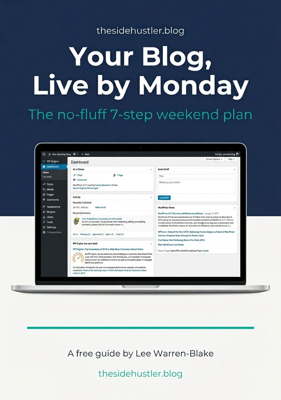
Download Your Free Blog Launch Roadmap
Get the no-fluff 7-step weekend plan that takes you from blank page to live blog — free instant download.
Which monetization strategy are you working on first? Drop it in the comments, happy to point you in the right direction.
