
Table of Contents

This post contains affiliate links. If you click through and buy something, I may earn a small commission — at no extra cost to you. I only recommend tools I’ve actually used or thoroughly researched.
A delivery driving side hustle is the easiest way to start earning money in your own car, on your own schedule, often within a day of signing up. You don’t need to build a client list, write a proposal, or wait for a job listing. You open an app, log in, and start.
That flexibility is the big draw, and it’s real. You choose your hours, your neighborhood, and your pace. The trade-off is that the pay is unpredictable and your vehicle does the heavy lifting, so the drivers who make money treat it like a business, not a casual spin.
This guide covers what it costs to start, what you can realistically earn, the apps versus direct work, how to maximize each trip, vehicle costs, and taxes. It’s part of the broader Local Side Hustles series, so start there if you’re weighing this against other offline options.
Quick disclaimer: This article is general information to help you get started, not personalized legal, tax, or insurance advice. Rules and requirements vary by app, city, and situation, so check with a local professional if you’re unsure about anything specific.
Why Delivery Driving Is a Popular Side Hustle
Delivery driving stays popular because the fundamentals suit a side hustle perfectly:
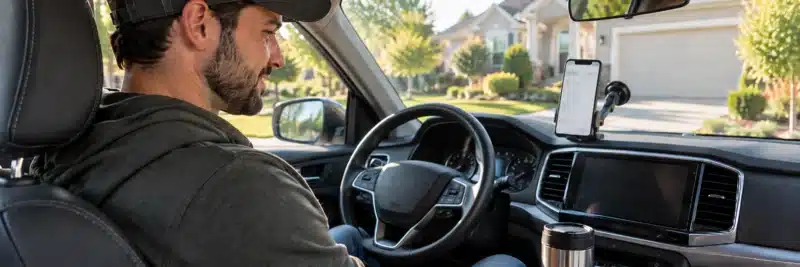
- Instant start. Sign up, pass the background check, and you can often be delivering within days. No client building, no inventory, no waiting.
- Complete schedule freedom. You work when, where, and how much you want. The apps are open nearly 24/7 in most cities.
- Low upfront cost. If you have a reasonably reliable car, your main cost is just a hot bag and a phone mount.
- No experience needed. Anyone with a valid license, a car, and a clean record can start, which makes it a real answer to how to start a delivery driving side hustle with no experience. The apps train you on the job.
- Easy to pause. Busy week? Take a break. Need cash fast? Log back in. It scales up and down with your life.
The honest trade-offs: the pay is inconsistent, your vehicle takes real wear, and the per-trip math only works if you’re smart about which orders you take. It’s a great flexible hustle, but it rewards attention to detail.
What the Work Actually Looks Like
Delivery work splits into a few types, and each one pays a little differently:

- Restaurant and food delivery. DoorDash, Uber Eats, and Grubhub. Pick up a meal, drive it to the customer, repeat. The most common and the most flexible.
- Grocery delivery. Instacart and Shipt. You shop the order in the store, then deliver it. More work per trip, but often better pay.
- Parcel and package delivery. Amazon Flex and similar services. Deliver batches of packages along a route. Steadier, but with fixed blocks.
- Direct local delivery. Pharmacies, florists, and local shops need couriers. You keep more of the fee, but you source the clients yourself.
Here’s the key insight: the money is made in the gap between the app’s base pay and your actual costs. A driver who just accepts every order may barely break even, while one who picks orders by distance and direction can earn well. The work is the same, the results are not.
What It Costs to Start
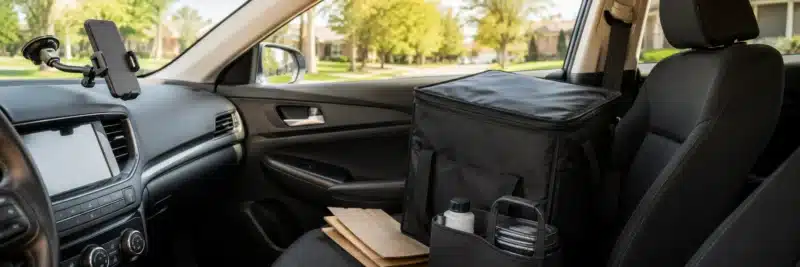
Wondering how to start a delivery driving side hustle with no experience? Startup costs are about the lowest of any side hustle, especially if you already own a car:
| Item | Typical cost (US) |
|---|---|
| Thermal delivery bags | $20–$60 |
| Phone mount and car charger | $20–$40 |
| App signup and background check | Usually free |
| Mileage tracker app | Free–$10/month |
| Fuel for your first shift | $20–$40 |
You can realistically start for under $100, and the first few shifts quickly cover it. The real ongoing cost is your vehicle, which we’ll get to shortly, and that’s where most drivers underestimate the true price of the gig.
Keep your startup lean. A good hot bag and a phone mount are the only must-haves, and you can add extras like a drink carrier or a catering bag once you see which deliveries you enjoy.
How Much You Can Realistically Earn
How much do delivery drivers make per hour? Delivery pay is the most variable of any local hustle, and it depends heavily on your city, your hours, and your choices. Here’s the honest picture:
| Scenario | Typical net (after expenses) |
|---|---|
| Casual, weekend hours | $10–$15/hour |
| Smart selection, busy shifts | $15–$25/hour |
| Specialized (grocery, package) | $20–$30/hour |
Notice the column says “net,” not gross. Apps quote a per-trip figure, but fuel, depreciation, and wear eat into it. A $12 trip that’s 20 miles round trip may only net a few dollars. The drivers who earn $20 an hour aren’t working harder, they’re choosing better trips and driving during surge times.
The honest ceiling: it’s a flexible, cash-flow-friendly hustle, but the per-hour ceiling is lower than skilled trades like handyman or cleaning work. Treat it as dependable extra income, not a path to riches, and it’ll serve you well.
Apps vs. Direct Delivery
Where you get delivery work matters a lot for what you take home:
- Delivery apps (DoorDash, Uber Eats, Instacart): they bring the customers and handle routing, but they set the pay and take their cut. Great for instant volume and flexibility.
- Direct local work: pharmacies, florists, and small shops that need a courier. You set the rate and keep the full fee, but you build the relationships yourself.
Most people start on the apps, and that’s the right call. They give you volume, training, and cash flow almost immediately. But if you enjoy the work, a couple of direct accounts with local businesses can round out your income at a much better per-mile rate.
Choosing the Right App
Which delivery app pays the most? You don’t have to pick just one, and the best drivers often run two or three. But it’s worth understanding what each type offers:
- Food delivery apps like DoorDash and Uber Eats are the easiest to start and the most flexible. Great for evenings and weekends.
- Grocery apps like Instacart and Shipt pay better per trip but require you to shop the order, which takes more time and care.
- Package apps like Amazon Flex offer scheduled blocks with steadier, predictable work, good if you like a routine.
Sign up for a couple in your area and see which fits. Pay rates, demand, and base pay vary by city, so the “best” app is the one that’s busy near you. Many drivers run food apps for flexibility and a grocery or package app for steadier money.
How to Maximize Your Per-Trip Pay
This is where delivery driving is won or lost. The difference between a $10-an-hour driver and a $20-an-hour driver is almost entirely these habits:
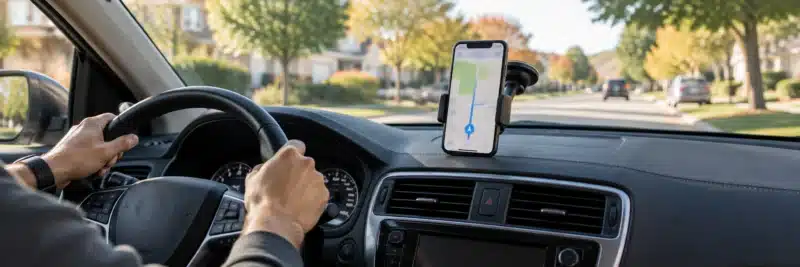
- Judge trips by miles, not dollars. A $14 trip with 3 miles is far better than a $18 trip with 12 miles. Know your operating cost per mile and only take trips that clear it comfortably.
- Know your peak hours. Lunch, dinner, and bad weather bring surges and higher base pay. A 2-hour dinner rush can out-earn a full slow afternoon.
- Stay in a tight zone. Clustering deliveries in one area cuts dead miles between trips. The apps reward drivers who stay busy, not ones who roam.
- Track every mile. A mileage tracker app records your drive time automatically, which both maximizes your tax deduction and reveals which shifts actually pay.
- Be selective. Decline the long, low-pay trips and the ones that drag you out of your zone. Acceptance rate means far less than your take-home.
None of these are hard, but together they double your effective pay. The drivers who treat the app like a business, tracking miles and choosing trips, are the ones who keep doing it.
Safety, Insurance, and the Legal Basics
Delivery driving means a lot of time on the road, and that comes with real considerations:
- Check your insurance. Standard personal auto policies often don’t cover commercial delivery. Many apps provide coverage while you’re actively on a trip, but check your personal policy and the app’s terms, and consider a rideshare or delivery endorsement.
- Keep your car road-ready. Tires, brakes, and oil matter more when you’re driving all day. Routine maintenance is far cheaper than a breakdown mid-shift.
- Drive defensively. The pressure to go fast is real, but a single accident can wipe out weeks of earnings. Safe beats quick, every time.
- Know your local rules. Some cities require a business license or a delivery permit. A quick check with your city answers this in minutes.
None of this is overkill. A little structure keeps a flexible, fun hustle from becoming an expensive or risky one, and it keeps you on the road longer.
Vehicle Costs and Mileage
This is the number drivers most often ignore, and it’s the one that quietly makes or breaks the gig.
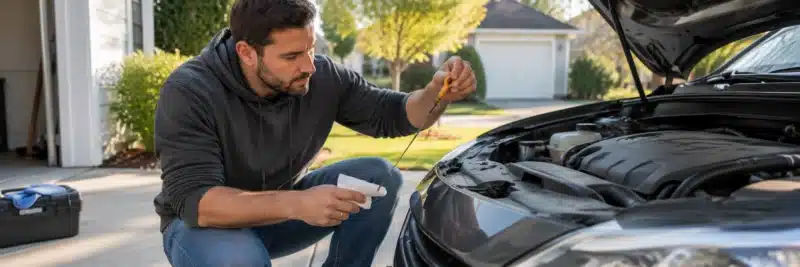
- Depreciation. Every mile your car drives lowers its value. Delivery miles add up fast, and that’s a real cost even if you don’t feel it at the pump.
- Fuel. The obvious one, and the reason tight zones matter. A fuel-efficient car makes delivery noticeably more profitable.
- Maintenance. Oil changes, tires, and brakes come around much more often when you’re driving all day. Budget for it.
- Track it all. A mileage tracker records every delivery mile, which is your single biggest tax deduction and your truest measure of profit.
Wondering how to calculate cost per mile for delivery driving? A simple rule: know your cost per mile, roughly $0.60 to $0.70 once you include fuel, depreciation, and maintenance, and use it to judge every trip. If a delivery doesn’t clear that comfortably, it’s not worth taking.
The Tax Angle
Delivery income is taxable, whether you’re paid by the apps or by direct clients. The apps report your earnings to the IRS, so there’s no hiding it, and there’s no reason to try, because the deductions are generous.
For delivery drivers, the mileage deduction is the star:
- Mileage. The IRS standard mileage rate covers a large share of your fuel, depreciation, and maintenance in one number. Log every delivery mile and this alone often wipes out most of your taxable income.
- Phone and data. The business-use percentage for the apps and navigation.
- Equipment. Hot bags, phone mounts, chargers, and any delivery gear.
- App fees and tolls. Platform fees and any tolls or parking you pay on the job.
Because nothing is withheld from your payments, set aside a chunk of each shift for taxes and pay quarterly. The full rules, the 2026 numbers, and the deduction tables are in Side Hustle Taxes 2026, a must-read for every local hustler. And the mileage tracking you do all year is the single best thing you can do for your tax bill.
The Bottom Line on the Delivery Driving Side Hustle
Delivery driving is the fastest, most flexible way to start earning in your own car, and it’s a dependable piece of a local income portfolio.
- Start for under $100 with a hot bag, a phone mount, and a mileage tracker.
- Judge every trip by miles, not dollars, and work peak hours in a tight zone.
- Run a couple of apps and add direct local work as you build relationships.
- Check your insurance for delivery coverage and keep your car road-ready.
- Track every mile, claim the mileage deduction, and set aside taxes quarterly.
Do that, and your car becomes a flexible, cash-flow-friendly source of extra income you can start this week. If delivery driving isn’t your fit, the Local Side Hustles pillar covers all the alternatives.
This is for informational purposes only and is not legal, tax, financial, or insurance advice. Rates, platform fees, insurance, and requirements vary and can change. For advice specific to your situation and location, consult a qualified professional.