
Table of Contents

This post contains affiliate links. If you click through and buy something, I may earn a small commission — at no extra cost to you. I only recommend tools I’ve actually used or thoroughly researched.
The right side hustle turns a skill you already have, an interest, or a piece of equipment gathering dust in the garage into real extra income. Here are 24 ideas worth a look if you want flexible work without anyone promising you’ll get rich overnight, because you won’t.
Maybe the regular paycheck isn’t stretching the way it used to. Maybe it’s debt, or savings, or just wanting more room to breathe outside the day job. A side hustle can help with any of that, but only if it actually fits your schedule, your skills, and your energy levels, not someone else’s idea of a good idea.
This list leans into hands-on work, car and equipment services, sports and fitness, and skill-based online jobs. None of it’s exclusive to men, and no single hustle here is automatically right for you. The real question isn’t “which side hustle is trending,” it’s “which problem can I solve reliably, for people who’ll actually pay me to solve it.”
How to Choose the Right Side Hustle
Before you buy any equipment or come up with a business name, run each idea through five questions:
- Can you already do the work? A skill from your job or a hobby means less of a learning curve.
- Do people near you actually need it? Local demand matters more than whatever’s trending in a viral video.
- Can you start without going into debt? Test the demand first, before you spend big.
- Does it fit the hours you’ve actually got? Something physically demanding might not make sense after a full day of physical work already.
- Can you show up professionally? Clear communication, showing up on time, clean work, honest pricing, these often matter as much as raw skill.
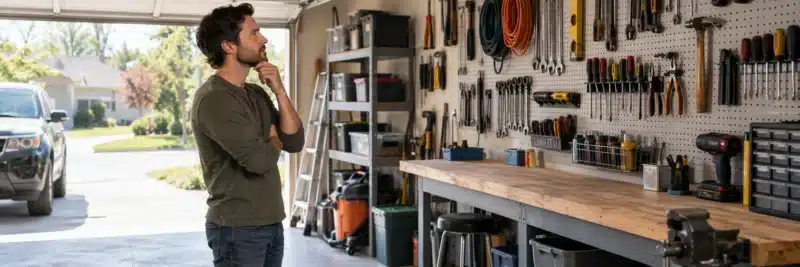
Start with one service and one type of customer. You can always expand later. “Saturday furniture assembly for busy homeowners” is a far easier sell than “I do everything.”
Hands-On and Trades-Adjacent Side Hustle Ideas
1. Furniture Assembly
Plenty of people buy flat-pack furniture and then really don’t want to spend their evening decoding instructions and hunting for the right screwdriver. You can offer assembly for desks, shelving, beds, outdoor furniture, home-gym gear, whatever people are avoiding.

Confirm what you’re building, check the customer’s cleared a space for it, bring your own tools, protect the floors, and clean up after yourself if that’s part of the deal. Stay away from anything electrical, plumbing, or structural unless you’re actually qualified and insured for it.
This works well as a weekend, appointment-based thing. Build a photo portfolio from your own jobs (with permission if it’s someone else’s home), and be upfront about your service area before anyone books.
2. Handyman Helper Services
Some homeowners just need a capable extra pair of hands for small jobs that don’t need a specialist: hanging shelves, swapping cabinet hardware, touching up caulk, moving materials, getting a room ready for a bigger contractor.
Stick to what you’re actually competent to do, and what’s legal in your area. Don’t present yourself as a licensed electrician, plumber, roofer, or contractor if you’re not one. A clear list of what’s included and what isn’t protects you both.
Reliability sells itself here. Give a short written job description, confirm materials up front, take before-and-after photos with permission, and leave the place cleaner than you found it.
3. Furniture Repair and Refinishing
Solid furniture that’s scratched, wobbly, stained, or just looking tired can usually be brought back rather than thrown out. Think tightening joints, fixing drawers, sanding, staining, painting, swapping out hardware.
Start with pieces you actually understand. Certain finishes, veneers, antiques, and upholstered items need real specialist knowledge. Work somewhere ventilated, follow the safety instructions on whatever you’re using, and factor in drying time before you promise a finish date.
You can either work on furniture people already own, or buy cheap pieces to restore and flip. The second route ties up your money and your storage space, so servicing other people’s furniture is usually the safer place to start.
4. Home Organization and Garage Cleanouts
Garages, basements, sheds, storage rooms, they all tend to become useless over time. You can help sort things out, build zones, put up basic storage, label everything, and get unwanted stuff ready for donation or disposal.
It’s part physical work, part organizing. Agree upfront on what’s being kept, donated, sold, recycled, or binned. Don’t take on hazardous materials, chemicals, weapons, or regulated waste unless you’re actually equipped to handle it legally.
Before-and-after photos are great marketing, but respect privacy. Never show addresses, personal documents, or identifiable belongings without written permission first.
5. Moving and Heavy-Lifting Assistance
Not every move needs a full moving company. Sometimes people just need help carrying furniture, loading a rental truck, rearranging a room, or shifting one big awkward item.
Use proper lifting technique and be honest about what you can and can’t take on. A damaged staircase, a fragile antique, an oversized appliance, these might genuinely need a specialist. Think about whether you need a second person, a vehicle, moving blankets, straps, or the right insurance.
Be clear whether you’re offering labor only, or labor plus transport. Those are two different risks, and possibly two different sets of legal requirements.
6. Pressure Washing
Driveways, patios, fences, decks, exterior walls, they all pick up dirt, algae, and grime over time. Pressure washing is an easy sell because the results are so visible.
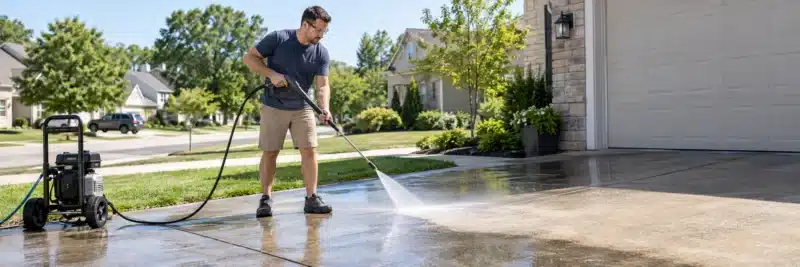
Learn the right pressure and technique for each surface first. Too much force damages wood, paint, mortar, siding, and decorative concrete fast. Protect plants, windows, outlets, and neighboring property, and check your local rules on wastewater runoff.
Test it on your own property before you ever charge someone else. Equipment, transport, water access, upkeep, and weather all affect whether this actually makes sense where you live.
7. Lawn, Yard, and Seasonal Property Care
Plain lawn mowing is crowded, but a more specific offer stands out. Leaf removal, branch cleanup, mulching, garden-bed prep, storm cleanup, snow shoveling, getting a property ready to sell, all worth considering.
Match the services to what you already have. A trailer, mower, blower, or snow gear expands what you can offer, but don’t buy it all before you’ve got customers. Start with what fits the tools you already own.
Be careful with pesticides, tree removal, roof work, and chainsaws. These often need training, licensing, or specific insurance, sometimes they just need a professional instead of you.
8. Mobile Welding or Metal Repair
If you’re trained and properly equipped, mobile welding solves real problems for homeowners, farmers, small businesses, and vehicle owners: brackets, gates, railings, equipment repairs, custom metal work.
This isn’t a beginner hustle. Fire, fumes, electricity, pressurized gas, structural safety, it’s all real. Follow the codes, wear the right protective gear, and check whether your area needs licensing or permits.
A safer way in is small, decorative, non-structural projects done in a controlled workshop first. Build a portfolio that’s honest about what you can and can’t safely take on.
Car, Equipment, and Outdoor Side Hustles
9. Mobile Car Detailing
People want a cleaner car but don’t want to lose their weekend to it. Mobile detailing can cover vacuuming, interior cleaning, exterior wash, glass, odor treatment, and basic paint-safe finishing.
Start with a defined package instead of promising a showroom finish on every car that turns up. Ask about pet hair, stains, smoke smell, child-seat residue, and vehicle size before you confirm the booking.
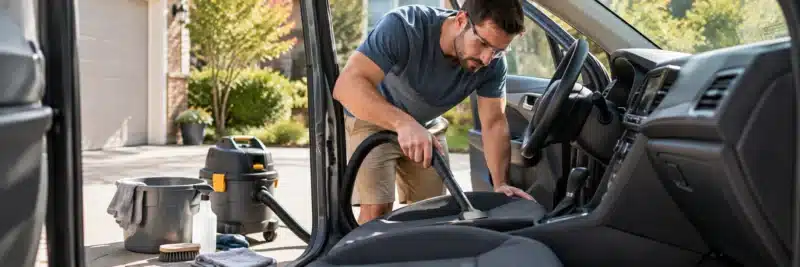
Water access, power, drainage, weather, travel time, products, and disposal all factor into whether this actually pays. Photograph your work with permission, and be upfront that some stains, scratches, and smells just aren’t coming out fully.
10. Headlight Restoration
Cloudy headlights cut visibility and make an older car look neglected. Cleaning, sanding, polishing, and a protective finish can bring the lens back.
Practice before you touch someone else’s car. Results depend on how bad the lens is, the product system, the prep work, and the quality of the coating. Be clear that restoring is not the same as replacing a genuinely damaged headlight.
Offer it as an add-on to detailing, or on its own. Keep notes on your process and follow the product’s safety instructions.
11. Basic Bicycle Service
Tire changes, brake adjustments, chain cleaning, fitting accessories, seasonal tune-ups, all things people need help with. If cycling’s already part of your life, this is a natural way to turn that into a local service.
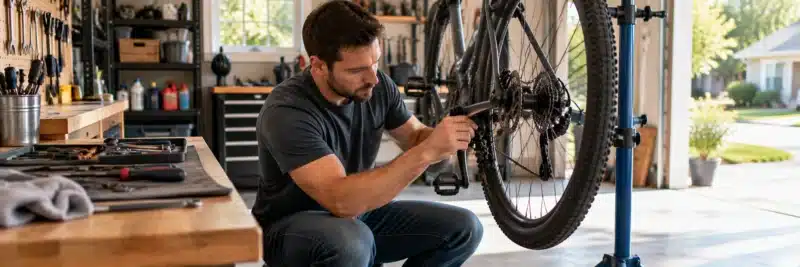
Don’t do safety-critical work beyond what you’ve actually trained for. Test every repair, explain what you checked, and point people to a proper bike shop when a frame, wheel, brake system, or suspension issue comes up.
You can run this from home, offer pickup and drop-off, or team up with a local cycling group. Clean work and clear explanations build trust fast here.
12. Small-Engine Maintenance
Mowers, generators, trimmers, pressure washers, most yards and workshops have equipment that needs seasonal attention. If you know maintenance, you can offer cleaning, oil changes, spark plugs, blade service, and basic troubleshooting.
Fuel, fumes, fire risk, moving parts, this is a real skill-based service, not a casual one. Work in a proper space, store fuel correctly, and hand off anything genuinely complex to a qualified technician.
The seasonality is predictable, so market ahead of spring mowing season and ahead of storm or winter-generator demand. Keep customer equipment labeled and secure while it’s with you.
13. Tool and Equipment Rental
If you own good tools or outdoor equipment sitting idle most of the week, you might be able to rent some of it out locally. Think specialty cleaning gear, a trailer, a log splitter, a tile saw, event equipment.
This isn’t passive money. You’ll need a written agreement, a deposit or damage process, maintenance records, safety instructions, and some way to verify who’s borrowing it. Check your insurance before renting out anything valuable or dangerous.
Start with equipment you can easily inspect and explain. Don’t rent out anything you can’t safely demonstrate or maintain yourself.
14. Used Tool and Equipment Reselling
A lot of people sell tools without really knowing the model, condition, or actual value. If you can judge quality, clean things up, swap minor parts, and write an accurate listing, you can buy selectively and resell.
Check actual sold prices, not hopeful asking prices. Test electrical tools safely, disclose any defects, and steer well clear of counterfeit, stolen, recalled, or unsafe items.
Track your purchase cost, repairs, platform fees, shipping, mileage, and final sale price. A higher sale price doesn’t automatically mean you made money.
15. Sports Equipment Reselling
Golf clubs, bikes, weights, camping gear, baseball equipment, there’s often a genuine local market. Your edge is knowing which models, conditions, and seasons actually matter to buyers.
Clean everything properly, photograph it in good light, list exact measurements and model info, and be upfront about wear. Don’t buy more inventory than you can realistically sell.
Sticking to one category makes pricing and sourcing much easier. You could also offer a consignment service for people who’d rather not deal with the listing process themselves.
Sports, Fitness, and Experience-Based Ideas
16. Personal Training or Fitness Coaching
If you’re genuinely qualified, personal training can happen in a gym, outdoors, online, or at a client’s home. A narrow focus sharpens the offer, beginner strength training, mobility for desk workers, conditioning for a specific sport, prep for an event.

Use proper screening, waivers, insurance, and emergency procedures. Don’t diagnose injuries or prescribe treatment unless you’re licensed for it. Results vary person to person, so sell the process and support you offer, not a guaranteed transformation.
17. Youth Sports Coaching
Parents often want extra practice time for kids into baseball, basketball, soccer, swimming, tennis, whatever it is. Small-group sessions, skill drills, video review, age-appropriate conditioning, all worth offering.
Child safety comes first, no exceptions. Clear communication with parents, the right locations, background checks where required, emergency contacts, and boundaries around one-on-one time. Follow whatever rules the facility or league has.
Teaching ability matters as much as playing ability did when you were the one on the field. Break skills into simple drills and give parents something they can practice with their kid between sessions.
18. Refereeing or Scorekeeping
Local leagues, school programs, tournaments, and rec clubs are always short on referees, umpires, timekeepers, and scorekeepers. Good fit for evenings and weekends, especially if you already know the sport’s rules.
Plenty of organizations run their own training or certification. Start by reaching out to local leagues directly rather than assuming there’s only one national platform to go through. Expect some scheduling headaches, travel, weather, and the occasional heated spectator.
Professionalism is everything here. Your job is applying the rules consistently, not winning arguments.
19. Outdoor Skills Instruction
If you’ve got genuine expertise in camping, fishing, navigation, kayaking, climbing, or similar, you can teach beginners the basics or help them get ready for a trip.
Start low-risk: gear selection, trip planning, map reading, knots, campsite setup. Anything involving water, height, firearms, or remote locations needs proper safety planning, real qualifications, the right insurance, and full compliance with local rules.
Never oversell your experience. An honest “beginner camping setup session” is both safer and easier to sell than pretending to be an expedition guide when you’re not one.
Online and Skill-Based Side Hustles
20. Freelance Video Editing
Small businesses, coaches, real estate agents, and creators all need short videos for their websites and social feeds. If you can cut footage, clean up audio, add captions, and keep a consistent look, there’s a real market for editing packages.

Build a portfolio with your own footage or permission-based samples. Set clear terms on revisions, turnaround, file format, and whether the client’s supplying music and graphics. Never use copyrighted material without permission.
Picking a niche, sports clips, automotive content, local-business videos, makes it easier to find the right clients.
21. Product Photography for Local Businesses
Restaurants, makers, retailers, mechanics, all sorts of small businesses need decent photos for their website, listings, menus, and social media. A modern phone, basic lighting, and a careful eye can be enough for a lot of jobs.
Learn to control reflections, color, and background consistency. Agree on how many edited images you’re delivering, usage rights, format, and whether travel’s included.
Photograph a few personal projects to show your style. Never pass off unpaid sample work as if it was a paid client job.
22. Technical Writing and Instruction Manuals
Manufacturers, tradespeople, software companies, equipment sellers, they all need instructions their customers can actually follow. Real hands-on experience helps you explain tools, processes, and common mistakes in plain language.
Good technical writing takes more than just knowing the subject. You need to ask the right questions, verify details, organize clearly, keep terminology consistent, and flag safety warnings. Offer a sample guide, and label it clearly if it’s fictional or a personal project.
This can be done fully remote, but get deadlines and revision terms in writing.
23. CAD, 3D Printing, or Design Services
If you know computer-aided design, 3D modeling, or 3D printing, you can help hobbyists, makers, small manufacturers, and product designers turn an idea into an actual prototype or part.
Be clear whether you’re delivering a design file, a printed object, or both. Sort out measurements, materials, tolerances, ownership, and revisions upfront. Never claim a prototype is safe for structural, medical, automotive, or other critical use without real testing behind it.
Start with small, repeatable jobs that are easy to check and ship. Keep track of material waste, machine time, failed prints, packaging, and electricity when you’re figuring out if it’s actually worth your time.
24. Resume, LinkedIn, or Interview Help for Skilled Trades
A lot of experienced tradespeople have real, valuable skills and no idea how to put them on a resume. If you can turn hands-on experience into clear, specific accomplishments, you can help tradespeople, technicians, drivers, and maintenance workers present themselves properly.
Stick to editing, structure, clarity, and interview practice. Never invent qualifications, licenses, safety records, or results for someone. Have clients double-check every fact before they submit anything.
Specializing in this audience means you actually understand the language employers in the trades use, rather than giving generic career advice. Keep client information private and store documents securely.
How to Start a Side Hustle Without Overcommitting
Test the offer before buying more gear
Write a short description of the service, who it’s for, the area you cover, and the first appointment you can actually take. Share it with local groups, contacts, or businesses. Someone saying “sounds good” isn’t the same as a paid booking, so get real demand confirmed before you drop money on equipment.
Calculate the complete cost
Supplies, fuel, mileage, platform fees, payment processing, insurance, licensing, taxes, repairs, storage, and the time you spend on unpaid communication. A side hustle can be bringing in money and still losing you money if you’re not tracking all of this.

Keep business and personal money organized
Keep a simple record of income and expenses right from your first job. Save receipts, track mileage where it applies, and set money aside for taxes based on your own situation. The IRS’s self-employment tax guide is worth reading early, not after your first big invoice. Tax treatment depends on your specific facts, so talk to a qualified tax professional rather than guessing.
Protect your time and safety
Get scope, payment, cancellation, and damage terms in writing. Meet customers somewhere safe, let someone know where you’re working, and don’t take on jobs that need qualifications you don’t actually have. A side hustle should give you more options, not put you at unnecessary risk.
Side Hustle Ideas for Men FAQ
What is the best side hustle for a man with practical skills?
There’s no single best answer. Furniture assembly, mobile detailing, yard care, equipment maintenance, reselling, and handyman-adjacent services are all worth testing if you already have the skill and there’s local demand for it.
What side hustles can start with limited equipment?
Furniture assembly, moving assistance, youth sports coaching, scorekeeping, technical writing, resume help, video editing, and product photography are all good starting points. Use what you already own and only upgrade once demand is clear.
Can a side hustle become a full-time business?
It can, but nothing’s guaranteed. Look for repeat customers, steady demand, decent margins, and a service that doesn’t depend entirely on your own available hours. Test it gradually rather than leaving stable work too soon.
Are hands-on side hustles better than online side hustles?
Neither is automatically better. Hands-on work often has strong local demand but comes with travel, equipment, and physical risk. Online work is more flexible but faces broader competition and needs digital skills. Pick based on your own strengths and constraints.
How much can I make from these side hustles?
It varies a lot by location, experience, demand, pricing, hours, expenses, and repeat business. I’m not putting a specific number on it here. Before trusting any dollar figure you see elsewhere, check it against a current, primary source and confirm whether it’s gross revenue or actual profit.
Do I need a business license or insurance?
It depends on the service, your location, how you’re set up, the equipment involved, and the risk to the customer. The Small Business Administration’s guide to licenses and permits is a good starting point for figuring out what actually applies to you. Higher-risk work, anything inside someone’s home, transportation, work with kids, or structural repairs, deserves extra care here.

Recommended Reading
Your Next Step
Pick one idea that matches something you’re already good at, write a narrow offer, and test it with real people before you spend heavily on gear. Keep the first version simple: one service, one type of customer, one area, one way to book.
The goal isn’t to look busy. It’s finding something that actually adds value, without wrecking your finances, your schedule, or your health in the process.
This is general information, not legal, tax, insurance, or financial advice. Check what’s actually required where you live, and account for every real cost before you commit to anything here.
