
Table of Contents

This post contains affiliate links. If you click through and buy something, I may earn a small commission — at no extra cost to you. I only recommend tools I’ve actually used or thoroughly researched.
The best reasons to start a blog aren’t the ones about making money, though that’s part of it. They’re the ones about what blogging does to your relationship with your own knowledge, your time, and your future.
I started thesidehustler.blog after a prostate cancer diagnosis in 2018 forced me to rethink what I was doing with my life. I’d always planned to do something different eventually. The diagnosis made “eventually” feel a lot more urgent. I left my job, started traveling with my wife, and, during a month-long stay on a Mediterranean island we’ve since fallen in love with, seriously researched how to build an online income.
Because I’d run my own online shop for years back in the early 2000s, blogging felt like the right fit. I understood the web. I liked writing. And I’d spent enough time reading blogs to know that some of them, run by real people, not corporations, were making serious money.
That was over two years ago. The blog is what I’m building toward the life I want, and I’ll be honest with you about how that’s really gone, not the polished version.
Here’s what I wish someone had told me straight before I started blogging in 2026.
Including the honest answer to “is it too late,” which comes later in this list and matters more than most people give it credit for.
If you’re ready to start a blog with Hostinger: Hostinger gets your blog live on WordPress in under an hour, with a free domain and low starting price. If you’re not ready yet, keep reading.
8 Honest Reasons to Start a Blog in 2026
1. You Can Make Real Money: But Not Overnight
Let’s get the money reason on the table first, because it’s why most people search for this post.
Yes, blogs make money. Good ones make serious money. The main income streams are affiliate marketing (recommending products and earning a commission), display advertising (earning from ads on your pages), digital products, and sponsored content.
The honest version: it takes time. Most bloggers see their first meaningful income somewhere around months 6 to 12, assuming they’re publishing consistently and getting the SEO basics right. My own first affiliate commission landed around eight months in, not the overnight story you’ll read elsewhere. The blogs that quit at month three never find out what month twelve looks like. I’ll be straight, my own blog had a rough start and a slow climb, so I’m not selling you a fast one.
But here’s what makes blogging different from most income sources: every post you publish is a digital asset that can earn for years. A post that ranks well on Google today can drive traffic and affiliate commissions in 2028 with no extra effort from you. That compound effect is what makes blogging worth the slow start.
Recommended reading:
- Blog Monetization Strategies: 6 Proven Ways Bloggers Make Real Money
- How to Make Money Blogging: 7 Proven Income Streams That Actually Work
- Blogging Mistakes: 12 Costly Errors New Bloggers Make
2. You Build Something You Own
Every hour you spend building a following on Instagram, TikTok, or YouTube is an hour building on someone else’s platform, one that can change its algorithm, cut your reach, or shut down your account without warning.
A self-hosted WordPress.org blog on your own domain is yours. Nobody can take it from you. The content you publish, the audience you build, the email list you grow, all of it belongs to you, a genuine digital asset in 2026 in a way a rented social profile never is.
In a world where platforms come and go and algorithms constantly shift, that ownership is worth more than most people realize when they start.
3. Your Email List Becomes Your Most Valuable Asset
Every blogging guide will tell you to start your email list. Most new bloggers nod along and then don’t do it.
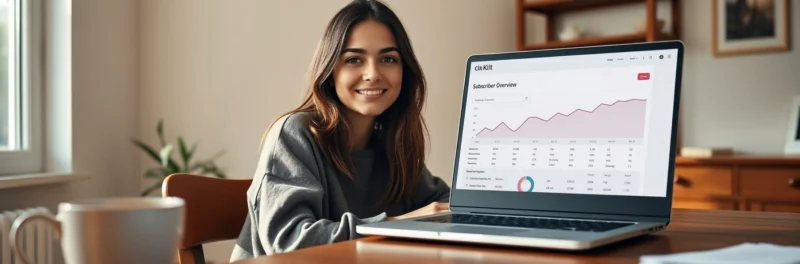
Here’s what they’re missing: an email list is the only audience you truly own. When you send an email to your subscribers, it lands in their inbox. No algorithm decides whether they see it. No platform throttles your reach. No sudden policy change wipes out your distribution.
I started building my email list early on thesidehustler.blog, even when the numbers were tiny. I treat it as one of the most important things I own, it’s how I can reach readers directly on day one of a new post, and it’s completely under my control rather than a platform’s. If you take one piece of advice from this list, start collecting emails from day one.
4. Blogging Forces You to Get Good at Something
Writing a blog on a topic forces you to understand it more deeply than you would just reading about it.
When you have to explain something clearly enough that a beginner can follow it, you find the gaps in your own knowledge. You research more carefully. You form more considered opinions. You build genuine expertise, not just familiarity.
This is true whether you’re blogging about personal finance, food, travel, parenting, or anything else. Teaching something consistently over time makes you better at the subject.
5. It Creates a Document of Your Knowledge and Experience
A blog is a living record of what you know, what you’ve tried, what worked, and what didn’t.
For some people, that’s professionally valuable, a portfolio that shows expertise to potential clients or employers. For others, it’s personally valuable, a record of a journey that would otherwise exist only in memory.
Either way, the content you publish has a permanence that social media posts don’t. A well-written post about something you’ve learned or lived can be found, read, and valued years after you wrote it.
6. You Can Start With Almost No Money
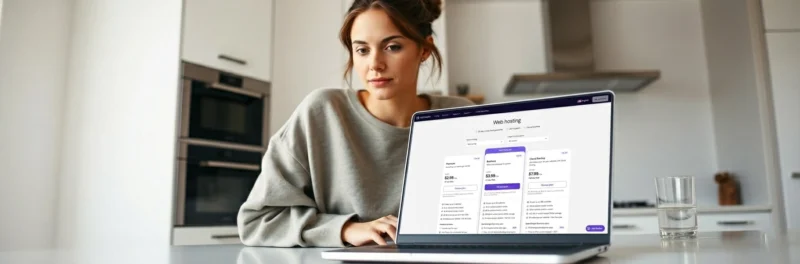
A self-hosted WordPress blog needs two things that cost money: a domain name and hosting. That’s it.
Hostinger’s Premium plan starts at just a few dollars a month, less than a cup of coffee, and includes a free domain for the first year. The WordPress software is free. Most of the plugins you need are free. The design tools you’ll use (Canva, mainly) have excellent free tiers.
The barrier to entry is genuinely low, lower than almost any other income-generating side hustle. You don’t need equipment, inventory, certifications, or a big upfront investment. You need time, consistency, and the willingness to learn as you go. It’s about as close to true passive income blogging can get once a post is live and doing its job.
7. You Work When You Want, Where You Want
I write thesidehustler.blog from wherever I happen to be, from home in the UK, from a rented apartment in the Mediterranean, from coffee shops, from airport lounges.
That flexibility isn’t unique to me. It’s built into the nature of blogging. Your blog doesn’t care what time zone you’re in, whether your boss approved your leave, or whether it’s a Tuesday morning or a Saturday afternoon.
For some people, location and schedule flexibility is a nice bonus. For others, people with chronic illness, caregiving responsibilities, or a deep desire to live differently, it’s the whole point.
I started blogging partly because a cancer diagnosis made me realize that “later” isn’t guaranteed. Building an income that doesn’t depend on showing up somewhere specific at a set time isn’t just convenient. It’s a different kind of freedom.
8. 2026 Is Still a Good Time to Start
The “is it too late to start a blog?” question comes up constantly, and the answer is no, with an important nuance.
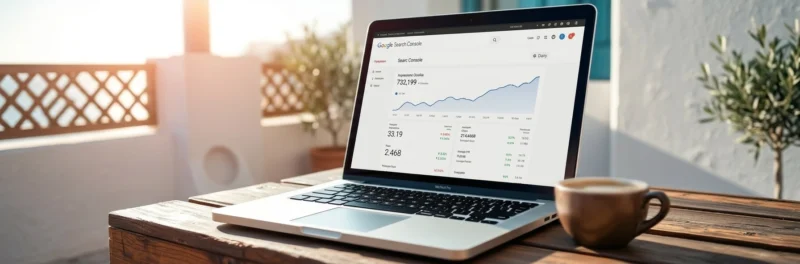
The easy wins are harder to get now than they were in 2015. You can’t throw up a thin ten-post blog and rank overnight. Google is more sophisticated, competition is higher, and readers expect more. I learned that one the hard way, this blog got buried by Google early on for leaning on shortcuts, and clawing it back taught me exactly what Google now rewards.
But the opportunity is still genuinely there, it’s just more about quality and consistency than it used to be. According to HubSpot’s marketing research, businesses that blog regularly generate far more leads than those that don’t, and the same principle holds for independent bloggers who treat their site like a real business.
New niches emerge. Existing niches evolve. Every niche has room for a fresh, genuine voice with real experience and a clear point of view. That’s exactly what Google increasingly rewards, helpful, trustworthy content written by people who actually know their topic.
The One Thing That Stops Most People
It’s not money. It’s not time. It’s not technical knowledge.
It’s the decision to begin.
Most people who think about blogging spend months, sometimes years, researching, planning, and talking themselves into and out of it. Meanwhile, the bloggers who get somewhere are the ones who started imperfectly and figured it out as they went.
You don’t need a perfect niche. You don’t need a beautiful design. You don’t need ten posts ready before you launch. You need to start.
Here’s the honest trade-off, since it’s the one nobody names directly: you can start a blog and have it not work out, or you can not start and spend years wondering if it would have. I’ve watched people do both. The ones who started, even the ones who struggled, don’t regret trying. It’s the not-starting that people carry with them.
Get your blog live today with Hostinger: free domain, WordPress installed in minutes, 30-day money-back guarantee. Then follow the guide below.
Recommended reading: How to Start a Blog in 2026 (Simple Step-by-Step Guide)
Recommended reading: Hostinger Review: An Honest Look at Whether It’s Worth It for Bloggers
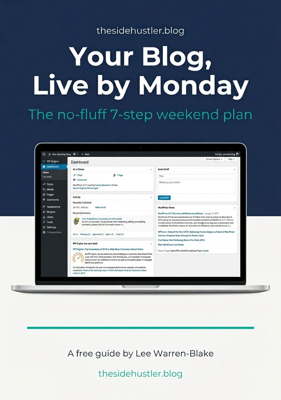
Download Your Free Blog Launch Roadmap
Get the no-fluff 7-step weekend plan that takes you from blank page to live blog — free instant download.
What’s holding you back from starting? Drop it in the comments, I’ll give you an honest answer.
